Roadmap to Recovery
The Roadmap to Recovery is Tacoma’s multiyear plan to strengthen the City’s financial future while protecting the reliable services our community depends on. We are aligning resources, modernizing how we work, and making smart financial and operational decisions to ensure long-term sustainability.
The need for change is clear: Tacoma’s current service model costs more each year than our revenues can sustainably support. For years, expenses have grown twice as fast as revenues due to increasing service demand, rising costs (healthcare, labor, benefits, materials, infrastructure maintenance, and service delivery), revenue constraints, and broader economic conditions.
Strategy:
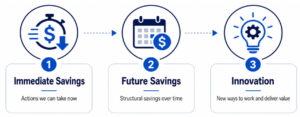
1) Immediate Savings
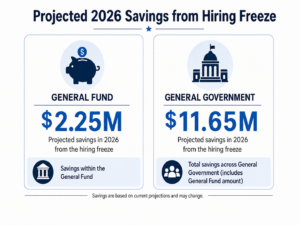
- General Government’s hiring freeze has identified positions to be held through the end of the year. For more information, visit the Frozen Positions Savings Dashboard.
2) Future Savings
- 2027-2028 Budget Development – $10s of millions in reductions. Increase focused service delivery.
- Partner with unions, engage with the community; this is the multiyear part.
3) Innovation: How We Do Business
- The merger of Public Works and Environmental Services, effective January 1, 2027, will reduce the number of Executive-level positions and eliminate work silos.
- A Deputy City Manager position has been eliminated.
- We are realigning some Internal Services; Labor Relations will move to the Human Resources Department (HR) to improve coordination with our labor partners as we begin to explore long-term solutions for sustainable growth of personnel and benefits costs, and the Continuous Improvement Innovation Team has moved from HR into the City Manager’s Office to manage projects and analysis supporting the Roadmap to Recovery.
- We are also consolidating Human Services, Housing, and Homelessness within the Neighborhood and Community Services Department (NCS), moving housing-related personnel from Community and Economic Development into NCS.
Communications, Podcasts, and Presentations
How the Roadmap to Recovery Will Operate: We're Changing How We Make Financial and Operational Decisions
-
The City is moving from incremental budgeting to a more intentional approach that:
- Encourages oversubscription of credible proposals to provide the City Council with real choices
- Establishes clear expectations for sustainable solutions
- Relies on data-informed strategy by monitoring vacancy rates, overtime, and discretionary spending on executive dashboards
- Aligns department planning with long-term financial forecasts
This represents a shift from managing annual gaps to reshaping the cost trajectory.
-
The Roadmap to Recovery is accompanied by measurable indicators so leadership and the community can see progress. Key efforts include:
- Development of fiscal and operational dashboards
- Performance measures for high-impact public-facing processes
- Overtime tracking and trend analysis
- Asset condition and risk visibility
These tools support evidence-based decision-making rather than anecdotal adjustments.
-
We are pursuing efficiencies that either reduce cost or improve service quality without increasing expense. Examples include:
- Conducting a comprehensive assessment of departmental structure and reorganize where necessary
- Evaluating public safety overtime management strategies
- Making asset management improvements to reduce long-term risk
- Redesigning the Management Fellow program to reduce administrative overhead
The focus is sustainable service delivery, not temporary reductions.
-
Because wages and benefits represent a significant portion of the City’s budget, long-term sustainability requires disciplined workforce strategy. Through Executive Team alignment and labor-related planning efforts, the City is focused on:
- Optimizing total compensation structures
- Managing retirement and healthcare cost growth
- Ensuring compensation remains competitive but sustainable
- Investing in workforce development and retention
The goal is to balance fiscal responsibility with the need to attract and retain high-quality talent.
Recent Updates
City Manager Presents on Immediate Savings, Future Savings, and Innovation Strategy (July 2026)