Tacoma Urban Wood Reuse Study
Contact
Ryan Hebert
Urban Forestry Analyst
(253) 363-0386
rhebert@tacoma.gov
Tacoma’s trees are one of its most valuable public assets, providing shade, improving air and water quality, storing carbon, and enhancing neighborhood livability. Maintaining this resource requires ongoing care, including pruning, hazard mitigation, and, when necessary, removals. These activities are essential to keeping the urban forest healthy, safe, and resilient. Reimagining how Tacoma manages this material represents a powerful opportunity to align climate action, circular economy, and local job creation.
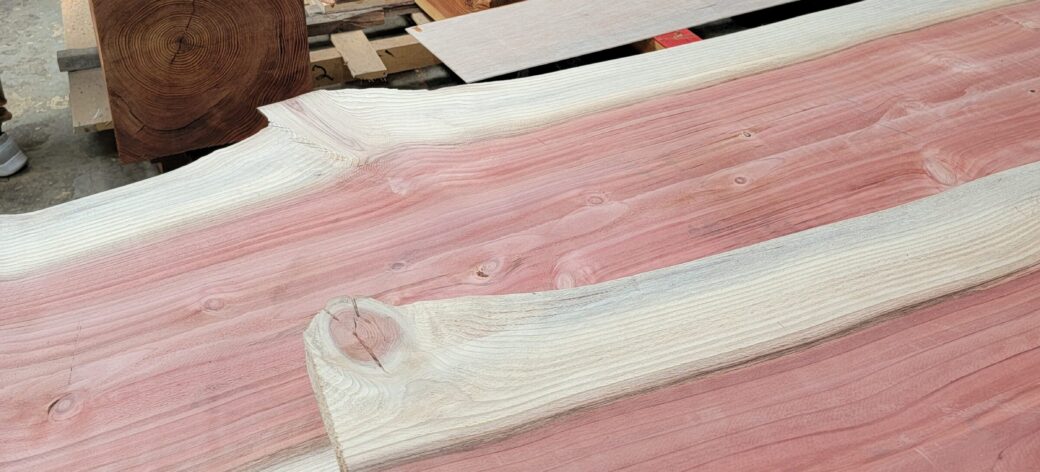
The current system for managing tree removals and maintenance activities in Tacoma does not yet meet the City’s climate and sustainability goals. Not only is the volume of removals projected to grow in the coming decades due to increased development, climate-related stressors, and infrastructure needs, but most removed material is not directed to its highest and best use. Recoverable wood is frequently chipped, composted, or landfilled without evaluation for higher-value applications such as milling, furniture-making, or long-term habitat placement.
Analysis of wood waste generation and disposal data reveals that Tacoma’s challenge is not a shortage of material, but a lack of systems and infrastructure to capture and utilize what already exists. The Tacoma Recovery and Transfer Center (TRTC) alone receives over 57,000 tons of woody material annually, roughly 95 percent of which is recoverable and/or compostable. However, only about half of this volume is currently diverted through composting or internal programs such as TAGRO. Meanwhile, an estimated 25,000 tons of recoverable wood are lost to the municipal solid waste (MSW) stream each year, representing a major opportunity for improved recovery, cost savings, and emissions reduction.
Tacoma has ambitious waste diversion, climate, and canopy coverage goals, including reusing one-third of wood from high-risk removals by 2028 and diverting 70 percent of overall waste from landfill. However, these goals are hindered by fragmented data collection, siloed operational practices, and limited infrastructure for sorting and processing salvaged wood.
This study, commissioned by the Tacoma City Council and led by Cambium, engaged more than 25 collaborators across City work groups, interagency partners, regional agencies, and private industry. Through analysis of primary datasets, waste characterization studies, and market research, the project estimated current generation and disposal volumes and identified opportunities to improve Tacoma’s wood-reuse system.
By transforming how urban wood is managed, Tacoma can turn a disposal liability into a community and climate asset. A reuse-first system would keep valuable material in circulation, reduce landfill volumes, and create skilled green jobs, all while advancing the City’s leadership in climate resilience and circular economy innovation.
Read the Full Urban Wood Reuse Study Report