Tacoma Habitat at Home
Tacoma Habitat at Home is a new pilot program that helps Tacoma residents make a positive impact right in their own backyards while connecting more with nature. Whether you want to support pollinators and local wildlife or simply create a yard that needs less watering and fewer chemicals, this program is a great place to start.
Created in partnership with the Washington Department of Fish and Wildlife, Pierce Conservation District, and the City of Tacoma, the program offers simple, practical ways to boost biodiversity; like planting native species, coexisting with wildlife, and making everyday choices that support healthier, more resilient communities.
2026 Pilot Program
Capacity has been reached, sign-ups closing on Friday, September 18, 2026.
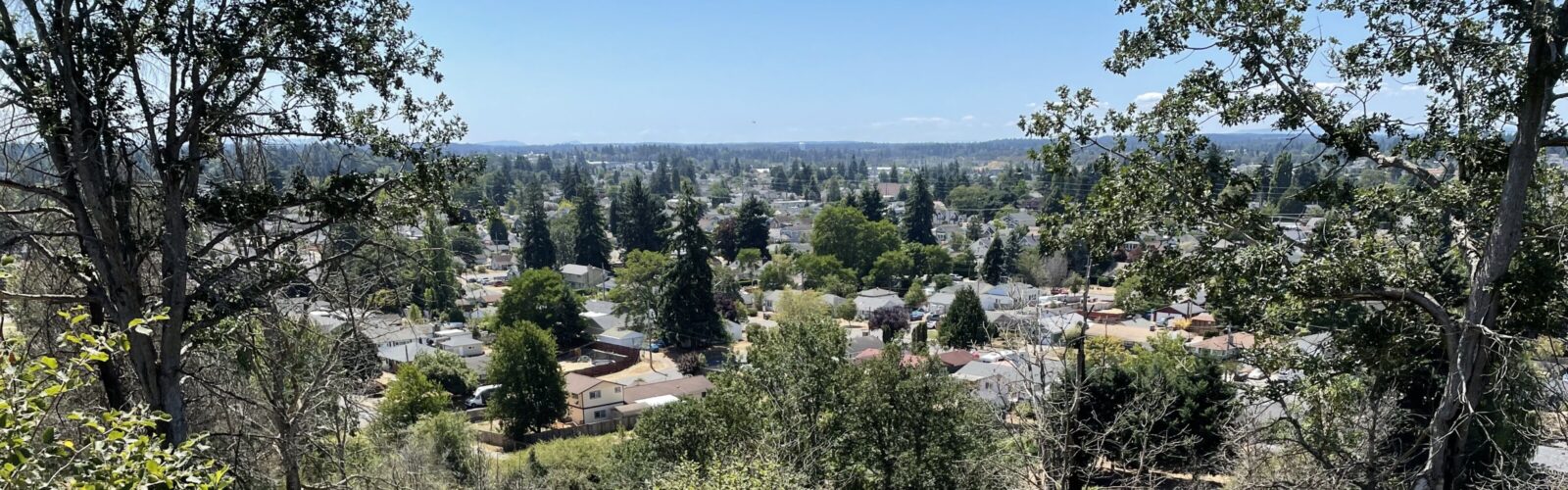
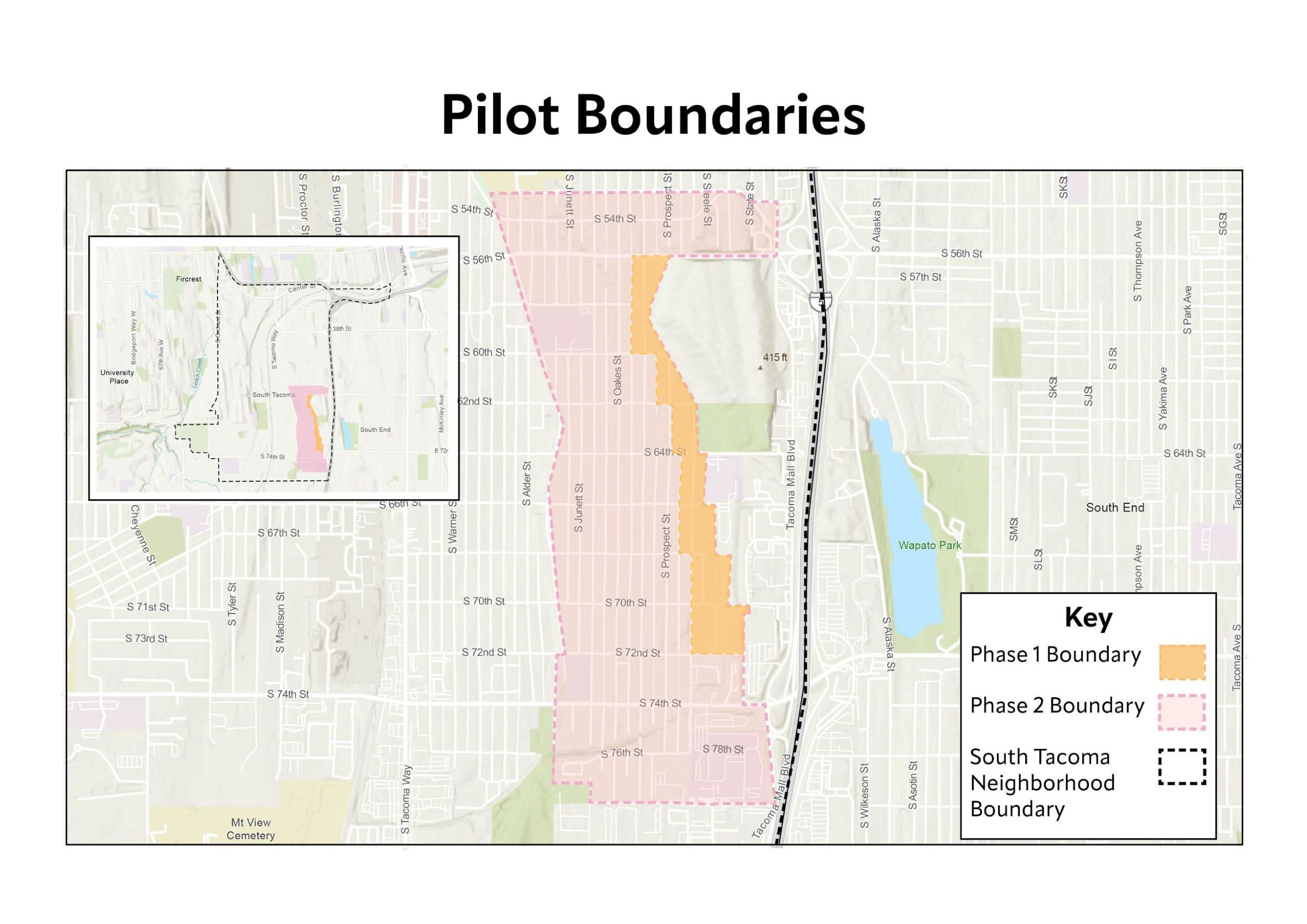
Tacoma Habitat at Home will launch as a pilot program in the summer of 2026, starting in the South Tacoma neighborhood near the Wapato Hills and Trafton Slope open spaces. The enrollment period will be open from July 1 – September 30, 2026. If successful, the program will expand to neighborhoods near other City open spaces, and eventually across Tacoma.
Funding for the Tacoma Habitat at Home Pilot Program is currently provided by the City’s Open Space Program, which already has active volunteer restoration occurring at Wapato Hills and Trafton Slope through the Tacoma Habitat Stewardship Program.
Timeline
-
Phase 1
Launch: July 1, 2026The program will begin by reaching out to neighbors who live closest to Wapato Hills and Trafton Slope, generally within a few blocks of these open spaces, as well as homes located between them.
This approach helps strengthen habitat connections between the two sites and builds upon ongoing restoration work already happening in these areas. Residents may hear about the program through mail, community spaces, local events, or in-person outreach.
-
Phase 2
Start: July 20, 2026Starting in mid-July, outreach will gradually expand to a larger area, up to about 10 blocks from the sites, primarily to the west. Every couple of weeks, the program will reach a few more blocks, continuing outward through the end of September 2026.
This larger area includes nearby schools, the South Tacoma Library, and parts of the local business district. Outreach will continue through simple, community-based methods like flyers, school partnerships, and local spaces.
-
During the pilot phase, site visits and hands-on support will be focused within the South Tacoma neighborhood in the identified boundaries. If you live outside the area, you are still encouraged to express interest: participants will be added to a waitlist for future program expansion.
The program will also be promoted more broadly across Tacoma through community events and online outreach, helping build awareness as it grows.
How to Participate
- Apply: Fill out our interest form to join the waiting list for a site consultation.
- Site Visit: Schedule a free site visit. This is a great opportunity to share your ideas and any challenges you’re facing with your space. A habitat assessor will help clarify your goals, provide helpful resources, and work with you to create a plant list tailored to your property.
- Making Habitat: After your site visit, it’s time to bring your project to life. Along with local resources, Tacoma Habitat at Home offers biannual workshops to help you design your space and learn how to care for and support your landscape over time.
- Certification: Once you have implemented landscape changes to create habitat for animals, an assessor will provide a certification completing visit and give you a sign to showcase your habitat.
Want to participate, but don’t fall within the pilot boundary?
Check out one of our partner organizations, apply for WDFW Habitat at Home, or join the waitlist by filling out our interest form.
Stay tuned for more resources closer to pilot launch!
Restore Local Biodiversity
Root Yourself in Nature
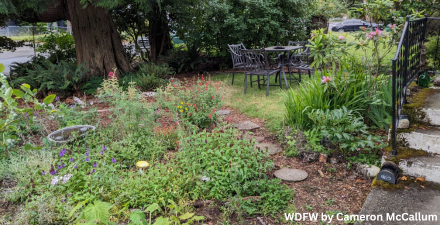
Nurture Your Own Well-Being
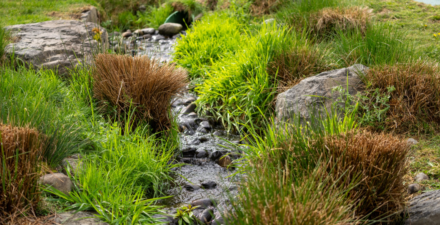
Protect Our Watershed
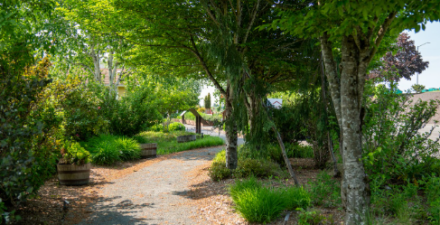
Reduce the Impacts of Urban Heat Islands
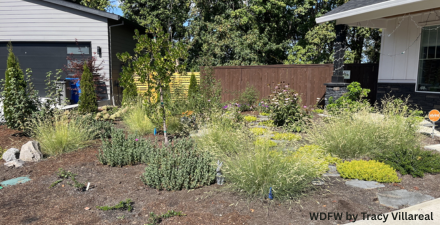
Enhance Your Property
Create Habitat in Tacoma’s Ecoregions
What is an ecoregion?
An ecoregion is an area where climate, landforms, soils, and plant and animal communities are similar, creating a distinct natural environment. The U.S. Environmental Protection Agency has developed a national system of officially designated ecoregions to help guide environmental management and conservation efforts.
Tacoma is part of the Puget Lowland within the larger Marine West Coast Forest. Across the city, you’ll find a mix of natural settings—including forests, rivers, and prairie areas—that together make up the Southern Puget Sound Lowlands, shaped by glaciers and known for its gently rolling landscape.
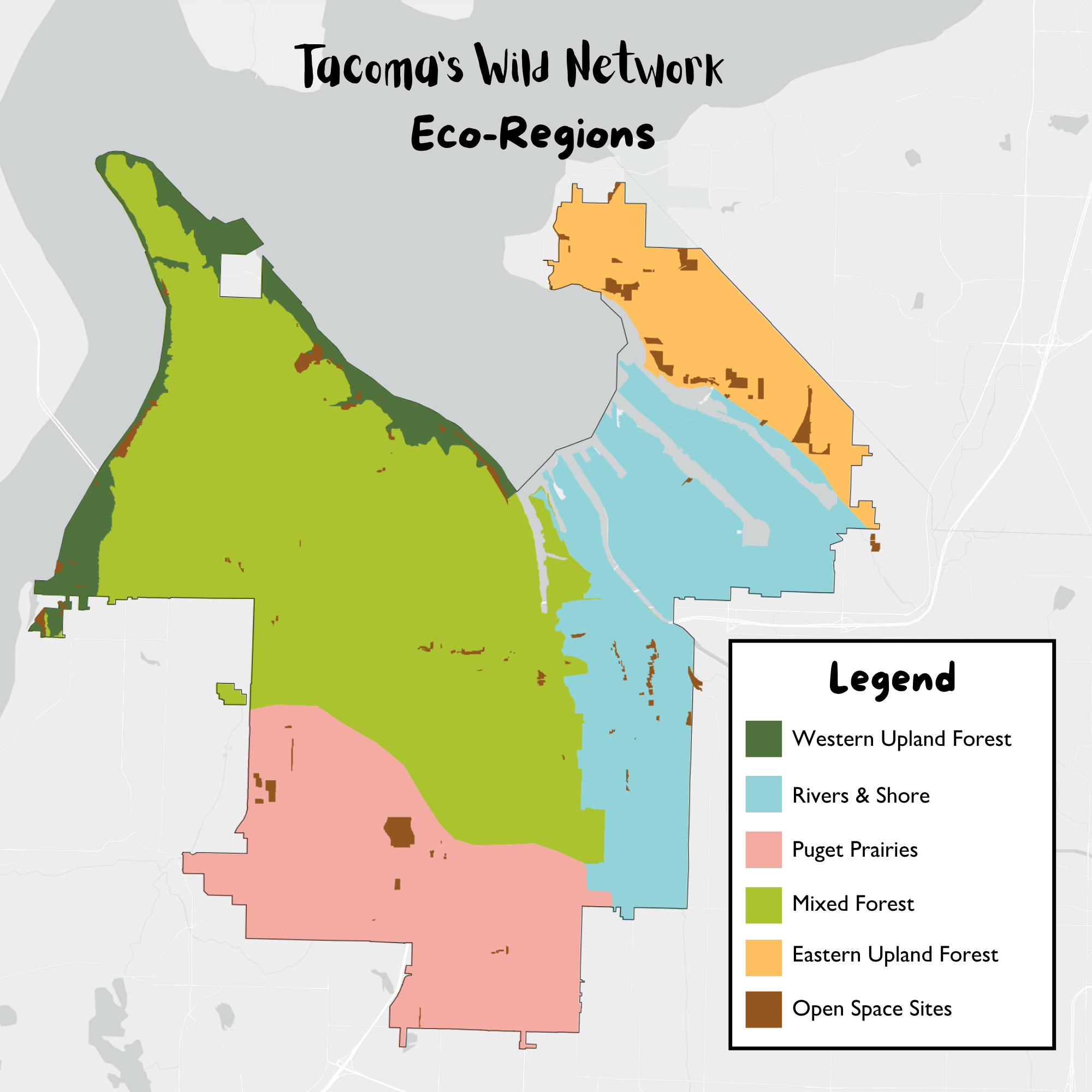
Tacoma Habitat at Home’s Ecoregion Breakdown
We have further divided Tacoma up into our own ecoregions for the purpose of our program. This has been done so that we can match participants with the most relevant ecoregion information for their own property and help tailor recommendations based on the nearby existing habitat, including the wildlife, pollinators, and plants that can typically be found in each. Learn more about each region below.
-
This ecoregion includes the Puyallup River Valley and the tidal waters of Commencement Bay. These areas are defined by the influence of water on our landscapes. The rivers, streams, aquifers, and floodplains in this area convey and store water while providing critical habitat for the creatures that call this area home.
River & Shore Ecoregion Guide -
This ecoregion contains higher elevation forests, steep slopes, bluffs, and several intermittent streams that flow into Commencement Bay. Improving habitat conditions will center around protecting NE Tacoma soils from erosion and preventing these same soils from becoming sediment pollution. Upland forests provide habitat for terrestrial animals and support the health and well-being of marine creatures as well (two for one!)
Eastern Upland Forest Ecoregion Guide -
This ecoregion contains higher elevation forests, the dramatic topographies of our iconic western gulches, and incredible near-shore habitat. Upland forests provide habitat for terrestrial animals and support the health and well-being of marine creatures as well (two for one!) These forests are larger and more connected than other urban forests in Tacoma and therefore provide much-needed range requirements for larger wildlife species.
Western Upland Forest Ecoregion Guide -
This ecoregion is a product of the settlement of people throughout Tacoma. What was once covered with coniferous forests has been logged and/or burned during the last 160 years and replaced by second growth confers (usually Douglas Fir). Within this ecoregion, there are high points with upland forests and lower areas that include wetlands, lakes, and creeks.
-
Historically, Western prairies dominated the landscape- these rolling hills were punctuated with epic oak trees and the flowers, grasses, and animals that have co-evolved alongside them. Now only 3% of the original prairies remain. Your efforts to improve habitat in your backyard can support prairie ecosystems in Tacoma.
Puget Prairies Ecoregion Guide
Tacoma Habitat At Home Resources
Contact
Pierce Conservation District Contact:
Jess Chandler
(253) 590-1409
JessC@PierceCD.org