Demolition Salvage
Beginning July 1, 2026, the City of Tacoma’s Voluntary Demolition Salvage Program encourages the recovery and reuse of building materials before demolition activities. The program is designed to reduce construction and demolition waste, support material reuse, and help preserve usable building materials that might otherwise be sent to landfill.
Participation in the program is entirely voluntary. Property owners and contractors seeking demolition permits may choose whether to participate.
Benefits of Participation
Salvaging reusable building materials can provide environmental, economic, and community benefits.
Environmental Benefits
- Reduce construction and demolition waste sent to landfills
- Reduce demand for new building materials
- Conserve natural resources
- Reduce embodied carbon impacts associated with new material production
- Support climate and sustainability goals
Economic Benefits
- Reduce disposal and tipping fees
- Lower hauling costs
- Create opportunities for material resale or donation
- Support local salvage and reuse businesses
Community Benefits
- Preserve usable building materials and architectural features
- Increase access to affordable reused materials
- Support local reuse organizations
- Reduce environmental impacts on the broader community
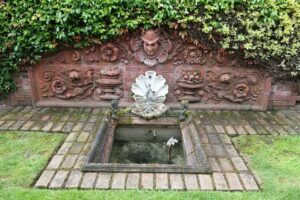
2015 view of the Head of Mercury piece, salvaged from Fire Station No. 6 (demolished), located in garden south of Mead House. Source: Artifacts Consulting, Inc.
How the Program Works
Step 1: Apply for a Demolition Permit
When applying for a demolition permit, applicants will receive information about the Voluntary Demolition Savage Program, available resources, and participation opportunities.
Step 2: Complete a Salvage Assessment (Optional)
Applicants who choose to participate may have the structure evaluated by a verified salvage assessor to identify materials that may be reused, donated, recycled, or salvaged.
Step 3: Submit the Salvage Assessment Form
Participants should submit the completed Salvage Assessment Form through Accela as part of their permit record.
Participation Incentives
Potential incentives may include:
- Priority demolition permit review
- Possible tax deduction for donation
*Additional details will be shared as the program evolves.
Frequently Asked Questions
-
No. Applicants seeking demolition permits will receive information about salvage opportunities and may choose to complete a Salvage Assessment prior to demolition activities. Completing a City of Tacoma Salvage Assessment Form will grant expedited permit processing for Building Permits associated with the subject site.
-
A wide range of reusable building materials and components including framing, architectural finishes, fixtures, equipment, doors, windows, and more, may be salvaged for reuse, resalve, or recycling.
-
No. After completing a salvage assessment, future Building Permits associated with the project site will be receive expedited processing.
-
Priority permit review and expedited permit processing, permit liaison to help connect you with salvage resources and expedited permit processing, possible reduced disposal fees, potential donation tax incentive.
-
When a building is removed from a site and undergoes a salvage assessment, future Building Permits associated with the project site qualify for City of Tacoma priority review and expedited permit processing. Any fees that would be associated with priority and expedited permitting are waived.
-
A verified assessor from a salvage location. You can find a verified assessor online at Northwest Building Salvage Network.
Salvage assessors allow you to request and schedule the assessment online.
-
No, donations are not required.
-
No, we merely offer the permitting incentive to perform a Salvage Assessment and connect you with the resources to perform an assessment. Projects qualify for incentives whether or not specific building materials were salvaged.
-
Yes. A verified assessor may indicate nothing is worth salvaging and the future Building Permit processing incentives are still granted towards the project site.
-
The Voluntary Demolition Salvage Program was designed without additional funding. The program uses existing City resources to support the City Council’s goal of reducing landfill waste. To encourage participation in the program, the City offers expedited permit processing. The program is integrated within the City’s standard demolition permit process. While existing City staff handle intake, independent, third-party assessors handle property assessments at no cost to the City.